
Anxiety Symptoms in Men: Signs, Causes, and When to Get Help
Anxiety symptoms in men are easy to miss because they often show up as tension, irritability, poor sleep, or physical problems instead of obvious worry. Many men keep pushing through, assuming it is just stress, until the anxiety starts affecting work, relationships, and health. If that sounds familiar, there is real help, and you deserve to feel calmer. Men's Mental Health Month, observed in June in the U.S. and highlighted again each November through Movember and International Men's Day, is a good time to recognize the signs and get support.

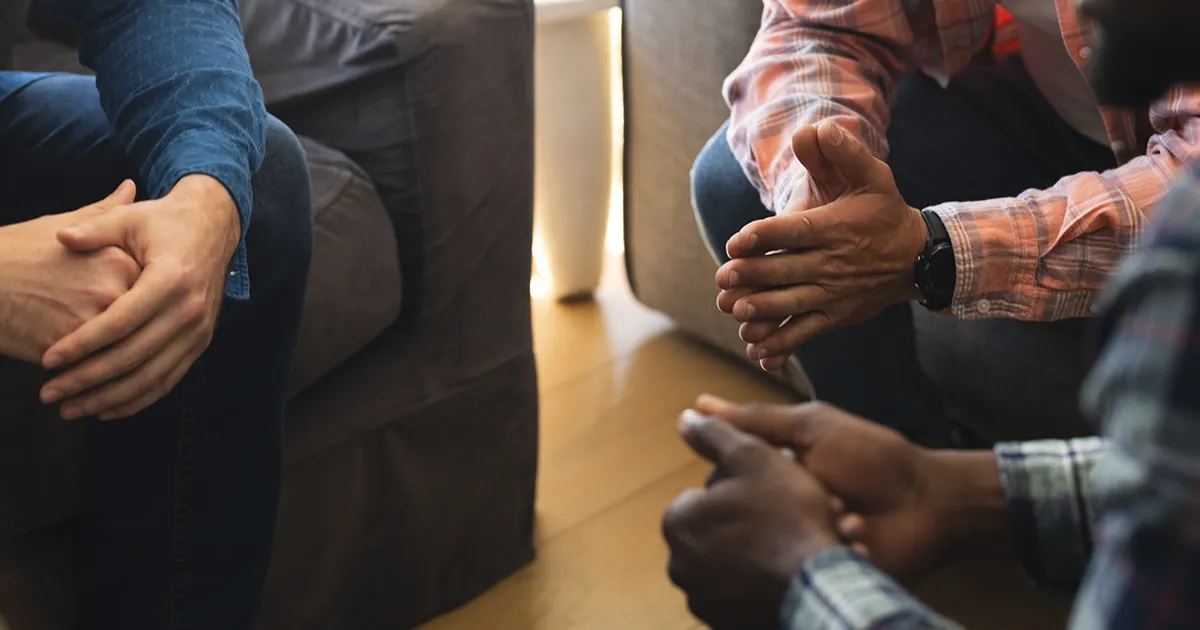
For adults, teens, and families in San Antonio, Corpus Christi, Edinburg, and across South Texas, questions about anxiety in men often come up long before anyone books a visit. This guide keeps the answers plain and practical, and it is meant to support, not replace, a conversation with a licensed clinician.
If you or someone you know is thinking about suicide, call or text 988 to reach the 988 Suicide and Crisis Lifeline, available 24 hours a day. If there is immediate danger, call 911.
- Anxiety in men often looks like irritability, muscle tension, poor sleep, stomach trouble, or a constant need to stay busy.
- Men are more likely to cope with anxiety through alcohol, overwork, or avoidance, which can make symptoms worse.
- Common types include generalized anxiety disorder, panic disorder, social anxiety, and PTSD.
- Anxiety that lasts for weeks and interferes with daily life is worth a professional evaluation.
- Anxiety is very treatable with therapy, medication, or both.
If anxiety has been running your days, we are here to help you feel calmer, in person or by telehealth.
How Anxiety Shows Up in Men
Anxiety is the body's alarm system. It is helpful in real danger, but with an anxiety disorder the alarm goes off too often or too strongly. The National Institute of Mental Health (NIMH) notes that men may experience different symptoms than women and are often more likely to bring up physical symptoms with a provider than emotional ones.
For many men, anxiety is less "I am worried" and more "I cannot shut my brain off," "I am always on edge," or "my stomach is a mess." If you relate, you are not alone.
Common Anxiety Symptoms in Men
Physical Symptoms
- Racing or pounding heart
- Tight chest or shortness of breath
- Muscle tension, jaw clenching, or neck and back pain
- Headaches
- Stomach problems, nausea, or frequent bathroom trips
- Sweating, shaking, or feeling dizzy
- Fatigue, even after sleep
Emotional and Mental Symptoms
- Constant worry about work, money, health, or family
- Feeling restless, keyed up, or on edge
- Irritability or a short temper
- Trouble concentrating or a mind that goes blank
- A sense that something bad is about to happen
Behavioral Symptoms
- Overworking or never being able to relax
- Drinking more to take the edge off
- Avoiding situations, people, or tasks that cause stress
- Checking things repeatedly or needing control
- Trouble falling or staying asleep
- Snapping at family or coworkers
Types of Anxiety Disorders
| Type | Main Features | How It May Look in Men |
|---|---|---|
| Generalized anxiety disorder | Ongoing worry about many things for six months or more | Constant tension, irritability, trouble sleeping |
| Panic disorder | Sudden attacks of intense fear with physical symptoms | Chest pain or racing heart mistaken for a heart problem |
| Social anxiety disorder | Fear of being judged or embarrassed | Avoiding meetings, events, or speaking up |
| PTSD | Anxiety after a traumatic event | Feeling on guard, anger, nightmares |
| Health anxiety | Worry about having a serious illness | Frequent doctor visits or avoiding them entirely |
What Causes Anxiety in Men?
Anxiety usually comes from a mix of factors rather than one cause, and it is never a personal failing.
- Family history: Anxiety and depression often run in families.
- Ongoing stress: Job pressure, money problems, caregiving, or relationship strain.
- Major life events: Divorce, job loss, a new baby, a health scare, or the death of someone close.
- Trauma: Military service, first responder work, accidents, or past abuse.
- Health conditions: Thyroid problems, heart conditions, and chronic pain can trigger or mimic anxiety.
- Substances: Caffeine, alcohol, nicotine, and some medications can make anxiety worse.
Anxiety, Anger, and Alcohol
Many men describe anxiety as anger before they ever call it fear. When the body is in fight or flight mode, small frustrations can feel huge. Alcohol may seem to help in the moment, but it disrupts sleep and often makes anxiety stronger the next day. If you notice a cycle of stress, short temper, and drinking to unwind, that pattern is worth talking about with a provider, without judgment.
When to Get Help
It may be time to talk with a provider if any of these are true for more than a few weeks.
- Anxiety is affecting your work, sleep, or relationships
- You are avoiding places or activities because of worry or panic
- You are using alcohol or other substances to cope
- You have had panic attacks
- You also feel down, hopeless, or numb
- People close to you have said you seem different
How Anxiety in Men Is Treated
- Psychiatric evaluation: A full review of symptoms, health, sleep, and substance use, plus screening for related conditions such as depression.
- Therapy: Cognitive behavioral therapy (CBT) teaches practical ways to manage worry, calm the body, and face avoided situations step by step.
- Medication management: Several medications can reduce anxiety. Your provider explains options, benefits, and side effects, and adjusts the plan with you.
- Lifestyle support: Regular sleep, exercise, less caffeine and alcohol, and stress management help treatment work better.
Ready to feel calmer? Book your first visit with STMHA, in person or by telehealth.
South Texas Mental Health Associates offers anxiety care for men in San Antonio, Corpus Christi, and Edinburg, with in person and telehealth visits to fit around work and family. When you are ready, getting started is easy through our become a patient portal.
Calm Is Possible
Anxiety is not a weakness or something you just have to live with. With the right care, most men feel more in control, sleep better, and enjoy life more, and we would love to help you get there.
References and Further Reading
- National Institute of Mental Health (NIMH). Anxiety Disorders.
- National Institute of Mental Health (NIMH). Men and Mental Health.
- Anxiety and Depression Association of America (ADAA). Men's Mental Health.
We Are Here When You Are Ready
We would be glad to meet you. STMHA welcomes men across San Antonio, Corpus Christi, Edinburg, and South Texas, in person or by telehealth. Your first visit is simply a conversation about how you are doing and what would help.
Schedule Your First Visit